What do SPACs and IPOs say about Coinbase, Robinhood, Lemonade, SoFi, and other fintech darlings?

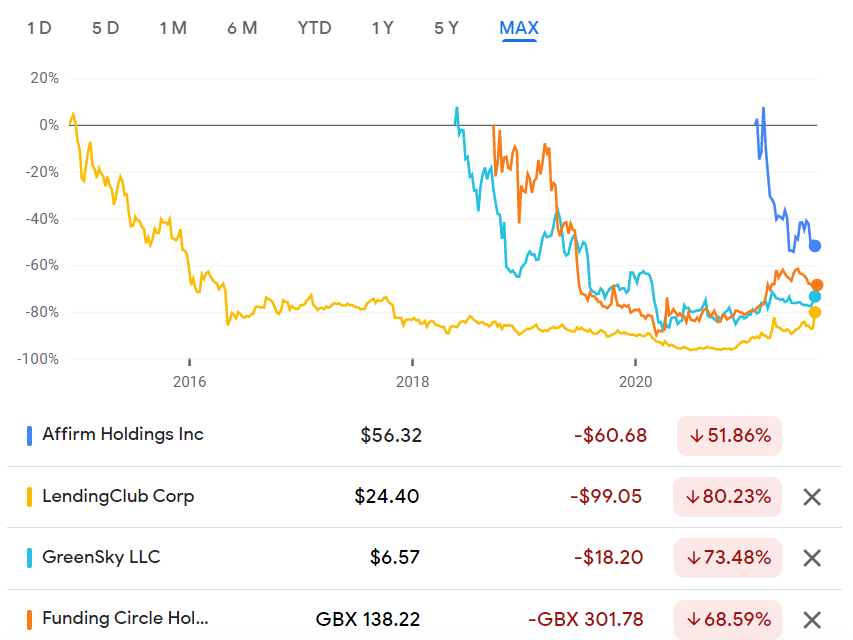
We look in detail at the state of marking recently-private-fintechs to the public market in mid-2021. Multiple industry segments have seen IPOs, direct listings, and SPACs transition fintech darlings into traditional stocks. How is performance doing? Is everything as magnificent and rich as we expected? Have multiples and valuations fallen or held steady? The analysis explores the answers and provides an explanatory framework.

Read More
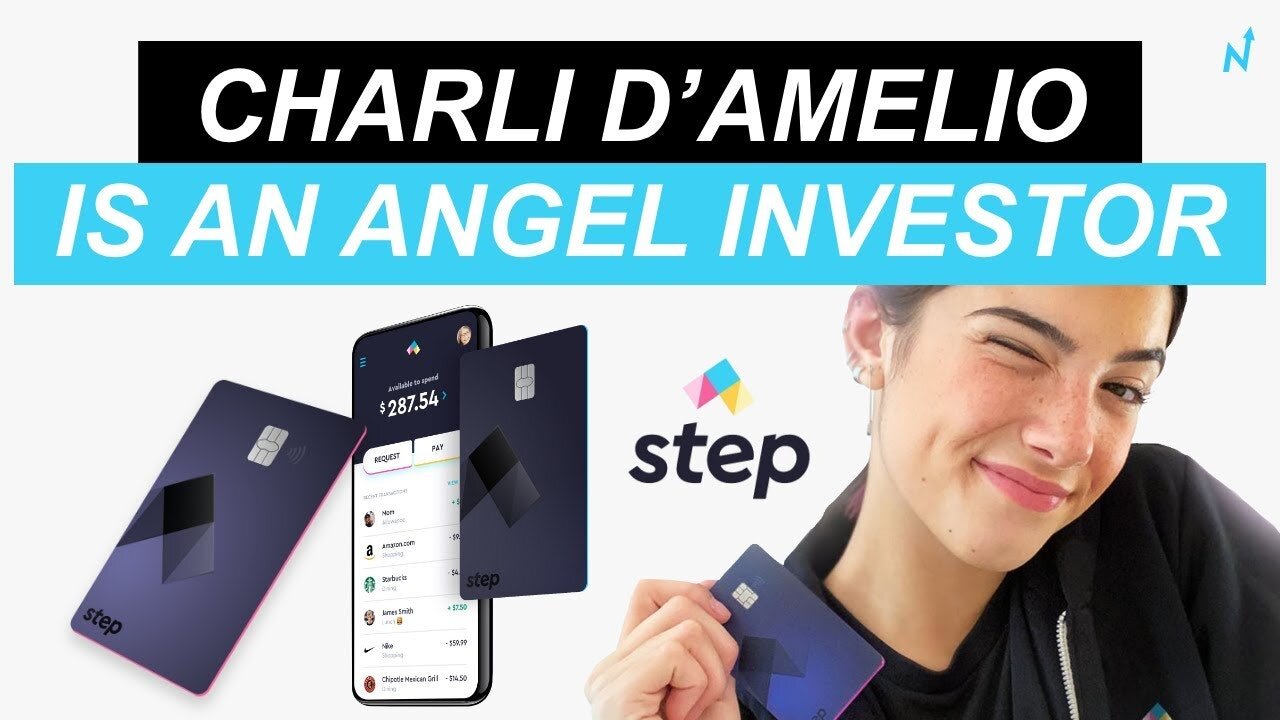
Step CEO CJ MacDonald on building the leading Gen-Z bank, TikTok influencers, and money culture

In this conversation, we delve deep into next generation finance and banking with CJ MacDonald, the Founder and CEO of Step – an incredibly successful neobank on a mission to improve the financial future of the next generation.

More specifically, we discuss traditional vs. digital banking, how personal experiences influence entrepreneurial the spirit, immersive market research, banking-as-a-service, the importance of financial literacy amongst Millenials and Gen-Z, the power of influencers who actually believe in a brand, aspirational brands vs. plastic Wells Fargo stage coaches, and lastly the proliferation of crypto in the minds of the next generation.

Read More
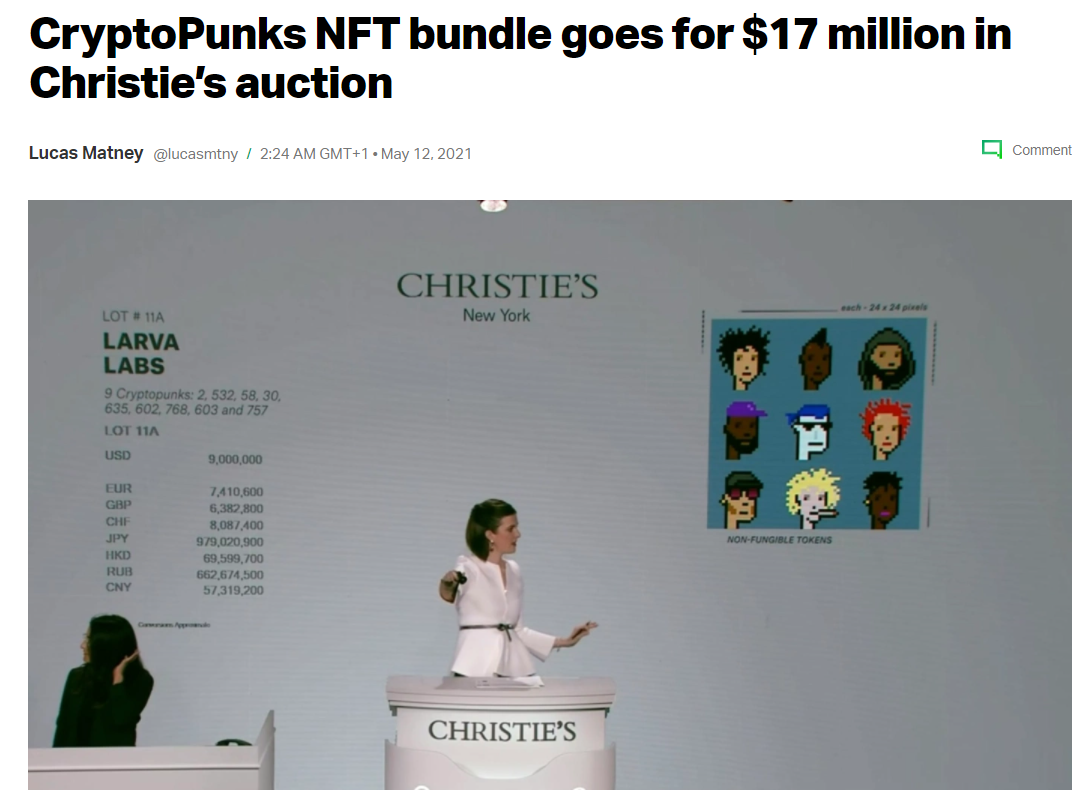
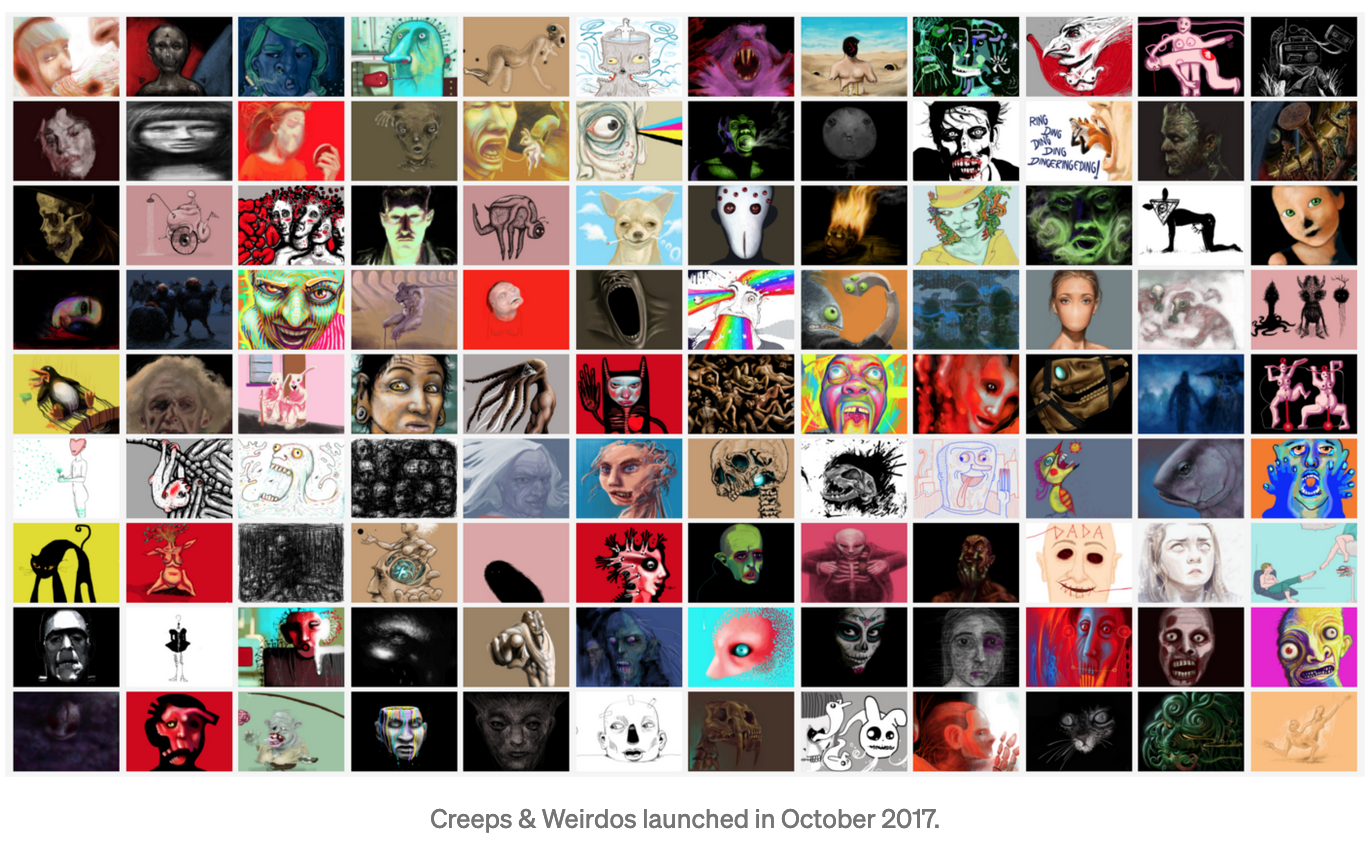
Getting ahead in Facebook's Metaverse by earning the Harvard of NFTs

Facebook is building towards a Metaverse version of the Internet, in both its hardware and software efforts. What are the implications? And further, how does one acquire status, work, and social capital in such a world? We explore the recent NFT avatar projects through the lens of Ivy League universities and CFA exams to understand some timeless cultural trends.

Read More
eToro CEO Yoni Assia on the purpose of investing, crypto assets, and building a $10B fintech

In this conversation, we talk all things capital markets and investing with Yoni Assia, the founder and CEO of eToro, one of the fastest-growing and largest global digital investing companies, brokerages, and applications out there.

More specifically, we discuss the eating habits of Warren Buffet, community-driven investment challenging incumbent investing practices, the purposes of investing and trading, of financial health, of investment education, of gamification of investment strategy, of capital markets and GameStop and the connection between capital, memes and fashion, and finally machine learning’s influence of investment behaviour.

Read More
The difference between Gen Z and Millennial online culture, resulting in DAOs, decentralization, and creative financial communities

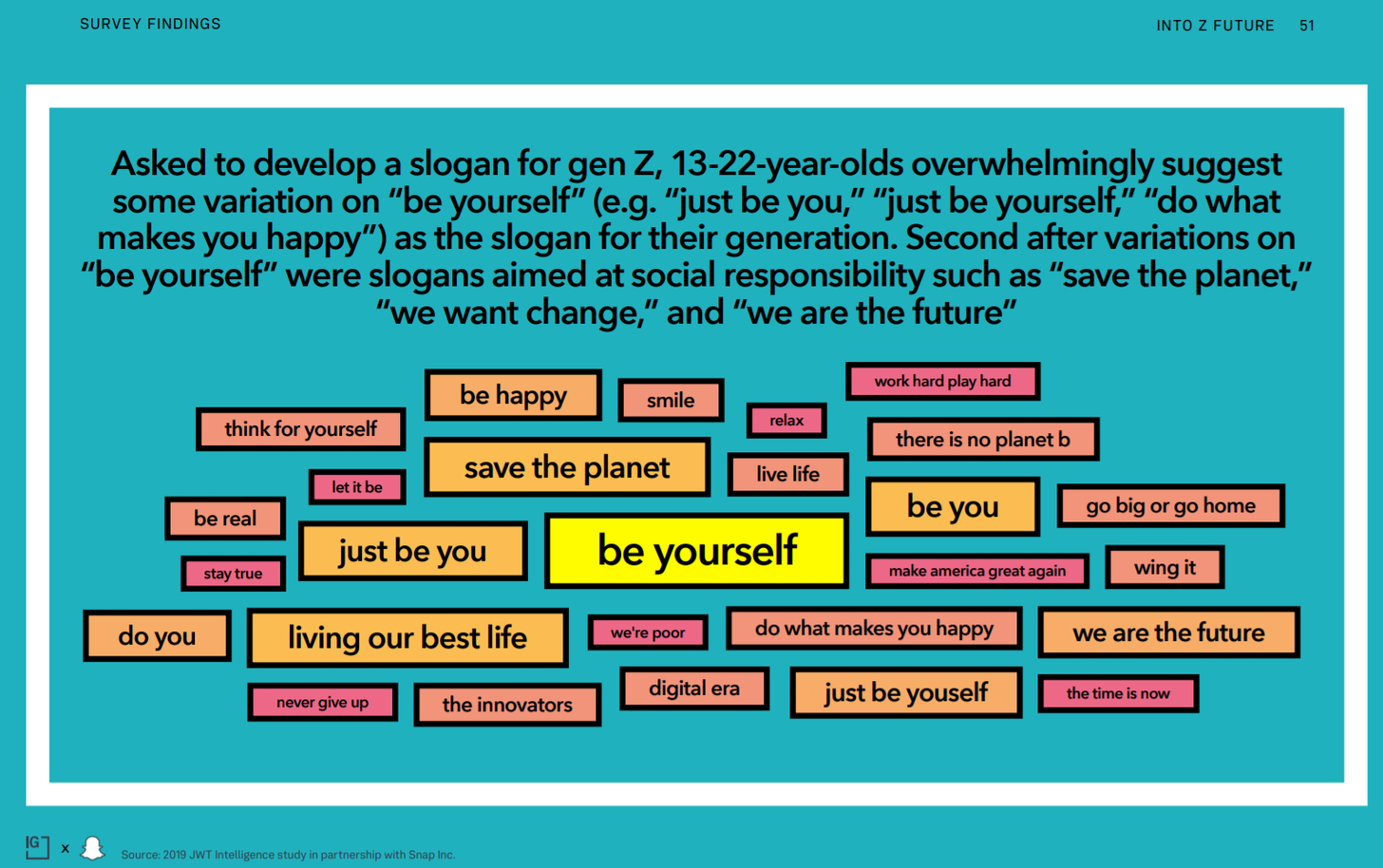
Gen Z is becoming a cultural force, reshaping culture and online society. This is starting to echo in fintech startups and crypto protocols. We explore how financial communities are beginning to congeal into DAOs, their nature and structure, and potential longer terms outcomes. The analysis identifies the differences in Millennial and Gen Z approaches — however imperfectly — to explain the frontier of social tokens and why ShapeShift chose decentralization, while Revolut chose decacorn funding.

DAOs are not socialist communes built for the benefit of humankind. Rather, they are techno-fortresses to defend, and make valuable, exclusive online tribes.

Whereas Millennials dream about a VC-funded unicorn startup, permissioned into wealth with capital from traditionally successful investors, Gen Z and crypto natives dream about bottoms-up community syndicates with trillions to spend on the sci-fi future, unshackled from regulatory overhang and the sins of the 2008 quantitative-easing past.

Read More
Hallucinating Art and Finance with CLIP, VQGAN, and Big Sleep

Instead, we are going to tap again into a new development in Art and Neural Networks as a metaphor of where AI progress sits today, and what is feasible in the years to come. For our 2019 “initiation” on this topic with foundational concepts, see here. Today, let’s talk about OpenAI’s CLIP model, connecting natural language inputs with image search navigation, and the generative neural art models like VQ-GAN.

Compared to GPT-3, which is really good at generating language, CLIP is really good at associating language with images through adjacent categories, rather than by training on an entire image data set.

Read More
The fundamentals of Circle's $4.5B SPAC, Robinhood's IPO, and the $30B of fintech venture capital

Last quarter, fintech funding rose to $30 billion, the highest on record. $14 billion of SPAC capital is waiting to take these companies public. Robinhood and Circle are about to float on the public markets, via SPAC and IPO. In this analysis, we explore the fundamentals of both companies, as well as the unifying thesis that explains their growth.

Read More
Fintech venture investing after a career in the US treasury and Wall St equity research, with Patrick Pinschmidt of MiddleGame Ventures Jul 9 2

In this conversation, we talk all things Wall Street, FinTech, and Venture Capital with Patrick Pinschmidt, who's the general partner and co-founder at MiddleGame Ventures.

More specifically, we discuss the ups and downs of sell-side research in the early 2000s, the evolution of financial technology to today’s FinTech, an insight into the Financial Stability Oversight Council at the US Treasury Department, the founding of Middlegame Ventures and its impressive investment portfolio, and the transformation of financial services fueled by the rapid innovation in FinTech.

Read More
Luxury and Fashion market structure applied to finance, NFTs, and DAO

Luxury and fashion markets are structurally different from finance or commodity markets in that they seek to limit supply in order to generate value. This increases price and social status. We can analogize these brand dynamics to what is happening in NFT digital object markets and better understand their function as a result.

We’re not cool. That’s why we’re in finance.

But people want to be cool. As highly social and intelligent animals, we want and need to belong, differentiate against each other, and negotiate for status. We create signals and hierarchies to create pockets of relational capital, which we then cash in for real world benefits.

Such mammalian realities are contrary to the economic rendering of the homo economicus, the abstracted rational agent making choices in financial models. In 2021, our financial models are waking up and instantiating themselves, becoming Decentralized Autonomous Organizations (DAOs), spun up by DeFi and NFT industry insiders, and implemented into commercial actions onchain.

Read More
Building the best payments fiat to crypto onramp, with Ivan Soto-Wright of MoonPay

In this conversation, we have a really cool conversation on fintech, crypto assets, payments and all the things around it with Ivan Soto-Wright, the CEO and Co-founder of MoonPay.

More specifically, we discuss Liability-driven Investment (LDI), the proliferation of AI in personal finance to drive sound decision-making, innovation in finance is following the same trajectory that resulted in VOIP for the telecommunication industry, the geographical maze of crypto KYC, payment networks, and crypto payment processing.

Read More
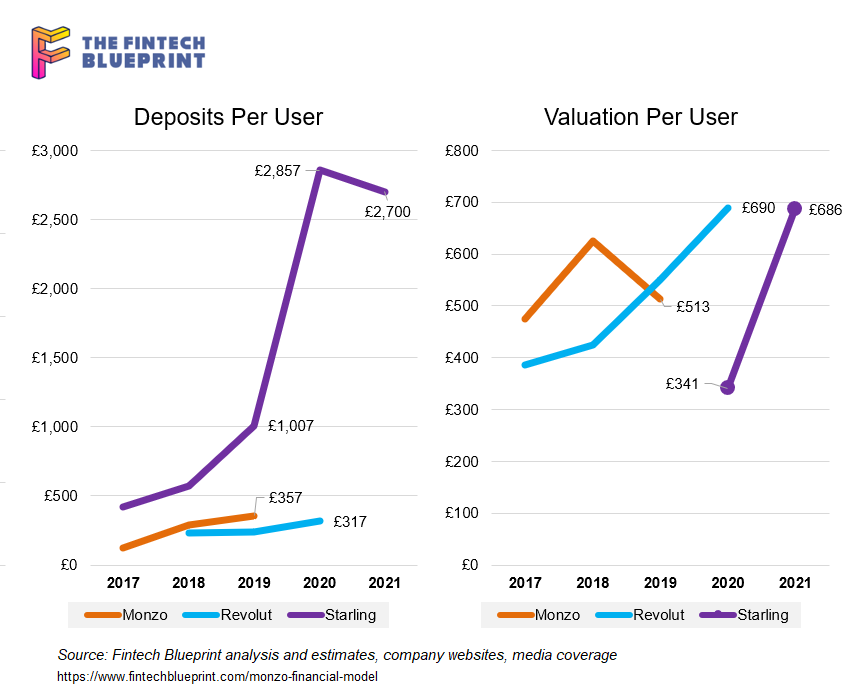
The Fintech tipping point is here -- Visa's $2B Tink acquisition, Dave neobank $4B SPAC, and Revolut's 15MM users in context

The fintech industry is coming up on the tipping point of funding, revenue generation, and user acquisition to rival traditional finance with $20 billion in YTD fintech financing, the several SPACs, and Visa’s $2B Tink purchased. Defensive barriers have eroded.

Let’s take a moment to compare capital. While it is not the money that wins markets, it is the transformation function of that money into novel business assets that does. And while the large banks have a massive incumbent advantage with (1) installed customers and assets, and (2) financial regulatory integration (or capture, depending on your vantage point), there is a real question on whether a $1 generates more value inside of an existing bank, or outside of an existing bank — even when it is aimed at the same financial problem.

Read More
Inspiring creativity, collaboration, and visual conversation by harnessing decentralized tech, with Beatriz Helena Ramos of DADA.art

In this conversation, we talk with Beatriz Helena Ramos – artist, entrepreneur, film director, producer and illustrator – the mind behind DADA.art. DADA is “a space where everything is about cooperation and solidarity, which are amazing ways to allow self-expression, as well as constant inspiration. Additionally, we provide simple tools to encourage creativity, and erase intimidation.”

More specifically, we discuss Beatriz’s journey to creating DADA, decentralized power structures, community-inspired creative collaboration, assymetric rewards in NFT markets driving new value distribution methodologies, DADA’s latest project called “The Invisible Economy”, and technology-inspired and centric approaches to empower artists in the future.

Read More
What the market misses about Bitcoin and Ethereum in 2021

This week, we cover these ideas:

  • Crypto prices show increasing correlation in market swings, which hides the large substantive differences between projects

  • The core narrative of Bitcoin, and its fundamental indicators

  • The core narrative of Ethereum and Web3, and its fundamental indicators

  • A sanity check on potential market caps relative to gold, equities, and other assets

Read More
A meditation on capitalism, the grey goo, and the Borganisms

You work. You get money. You take money and invest it. If you are lucky, it becomes larger. Otherwise, it becomes smaller. If you have a lot of money, you can either start a company or not. If you start a company, you invest in your own ability to influence outcomes and in your own transformation function. There are other, personal utility functions also being satisfied in executing the transformation function. Alternately, you focus on the work of getting capital into other companies. For this allocation and selection work, you are rewarded. To this, you can add the capital of others, until you are doing selection on their behalf.

Read More
The links between tech, commerce, and finance behind Klarna's $45B valuation and Pinduoduo's $150B marketcap

This week, we cover these ideas:

  • Klarna’s $640 million raise and its $45 billion valuation, and how its business model arbitrages the payments revenue pool to build a lending business

  • Pinduoduo’s growth path to a $150B marketcap, and the links between shopping, media, and financial mechanisms that help it compete with Alibaba

  • A comparison of approaches to growth and economics

  • Implications for crypto assets for capturing “the real economy”

Klarna is raising $640 million on a $45 billion private valuation, with over $1 billion in net operating income. The buy-now-pay-later company has over 90 million active customers and 250,000 merchants. It was founded in Sweden in 2005.

On the other side of the ocean, Chinese ecommerce company Pinduoduo is beating Alibaba with 820 million active buyers, generates over $3 billion in revenue per quarter, connects buyers to 12 million farmers, and has a market capitalization of $150 billion. It was founded in China in 2015.

Read More
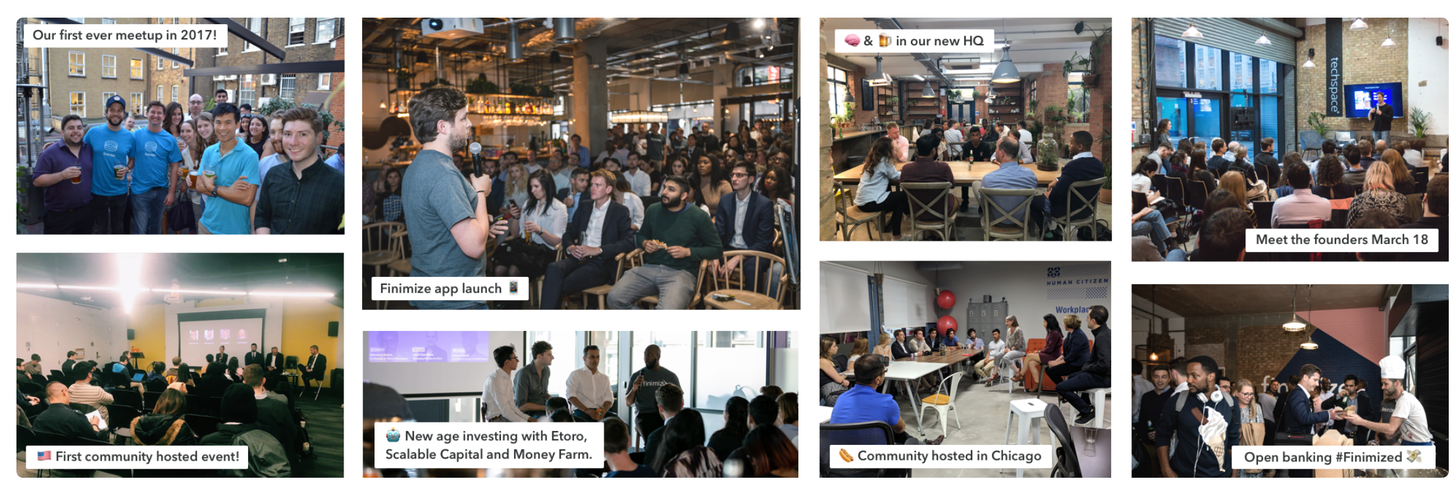
From ecommerce to a million+ global financial community, with Maximilian Rofagha of Finimize

In this conversation, we talk with Maximilian Rofagha, who serves as the CEO and Founder of Finimize, about how to do personal finance right and how to do it bottoms up for the world.

Additionally, we explore Max’s journey to becoming an entrepreneur, the nuances of the e-commerce business, the building of and drivers behind community and creating business activities around it, the influences of FinTok and crypto assets on financial community, and the drivers of value back into said communities fulfilling the feedback loop.

Read More
Purpose of Identity, its connection to finance, and implementations in the Euro digital wallet and DeFi protocols

This week, we cover these ideas:

  • The nature of digital identity, and the difference between a representation at some moment of time vs. a record of your being

  • The launch of the DeFi Passport by Arcx and how it can be useful for underwriting

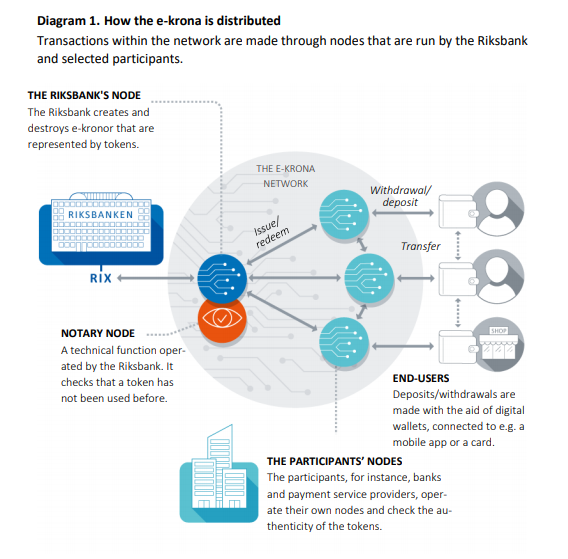
  • The European Digital Wallet, and the implication of such a development for CBDCs and government services

  • China’s CBDC, Sweden’s BankID, and other existential crises

If you want to go deeper on this topic, we strongly recommend our conversation with Michael Cena of the Ceramic Network here. Whereas Michael started working on the identity problem by trying to add labels to people, where he ended up is creating a protocol that tracks historic software activity and interactions between actors. In thinking about the Ship of Theseus, this is the solution that says — your identity is your journey through the river of time itself, and not any particular stop you make along the way.

Read More
Developing regenerative finance using memes for the public good, with Kevin Owocki of Gitcoin

In this conversation, we talk with Kevin Owocki, who serves as the CEO & Chief Roboticist at Gitcoin, about the evolution of the programmable blockchain space, how open software gets made, where value comes from and all sorts of other really cool futuristic things.

Additionally, we explore the nuances of being an early developer in shifting markets, idea mazes, the founding of and philosophy behind Gitcoin, the deep work being done towards the Open Internet, the building of community-driven grant mechanisms, early work on quadratic-funding, and the idea behind memes powering DeFi.

Read More
The $2.2 billion Acorns SPAC and a $50 billion fintech roll-up strategy for public funds

This week, we cover these ideas:

  • The Acorns SPAC deal, including its valuation and detailed metrics

  • The growth levers and obstacles for point-solutions as they scale into the millions of users and hundred of millions of revenues

  • What a $50 billion fund should do to roll this stuff up

It is looking like a pretty good time to go consolidating individual financial product footprints. Leaving aside whether consolidated companies are good or bad for some particular reason, the simple observation is that there are just far too many point-solution brands out there. Too many to be left alone to operate. And now a number of them are going to be public, which means that a number of them are going to be up for sale.

Read More
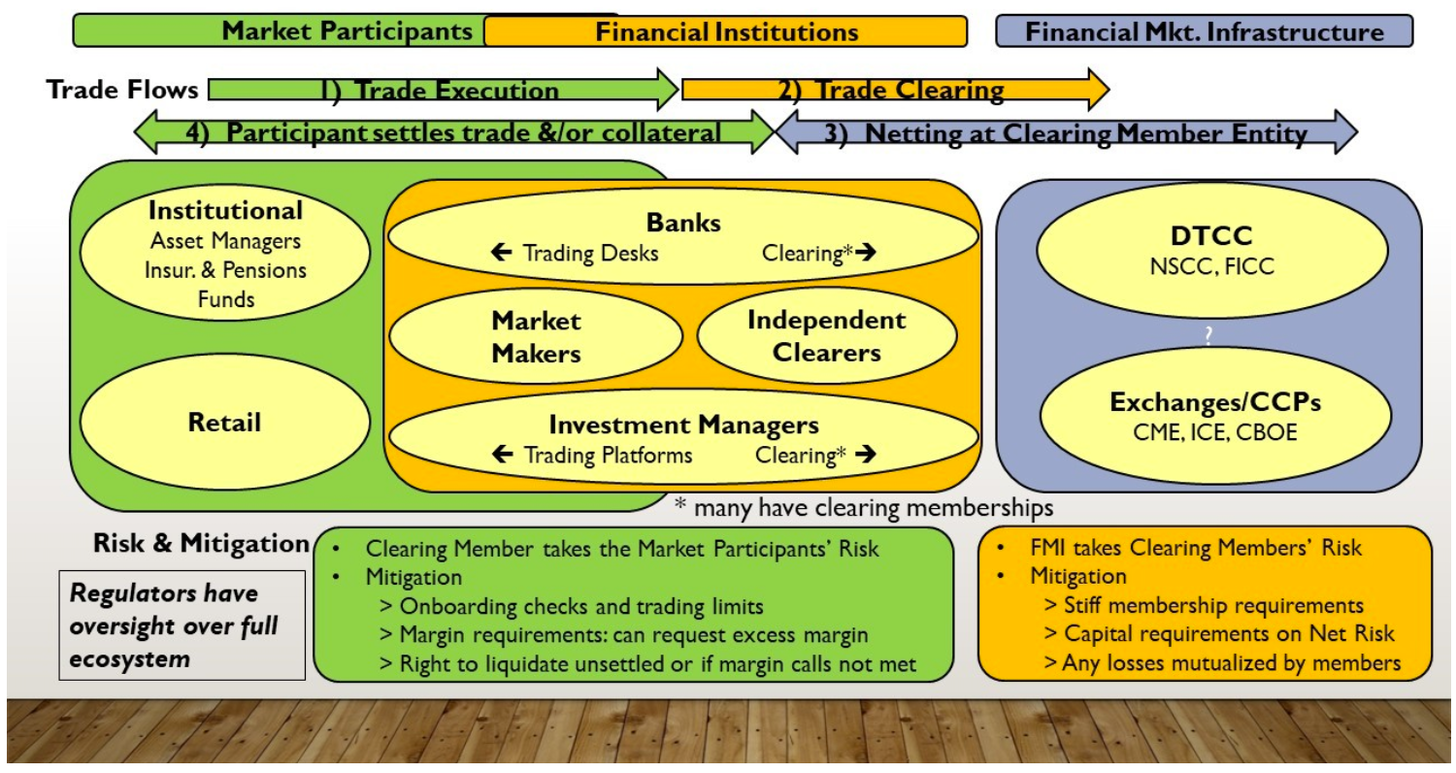
The software stack powering Capital Markets and its coming transformation, with Horacio Barakat of Broadridge

In this conversation, we geek out with Horacio Barakat, who serves as the Head of Digital Innovation for Capital Markets and the Head of DLT for the Repo Platform of Broadridge, about digital transformation, capital markets, and the role of blockchain in the institutional part of the financial industry.

Additionally, we explore the embedded complexities of capital markets and how fundamental they are to the smooth functioning of our economy, determining the growth of companies, and funding expansion. Touching on everything from the engine that powers capital markets, how that engine has evolved to becoming computational, and lastly how companies like Broadridge are leading the deep work going on in making that engine better.

Read More